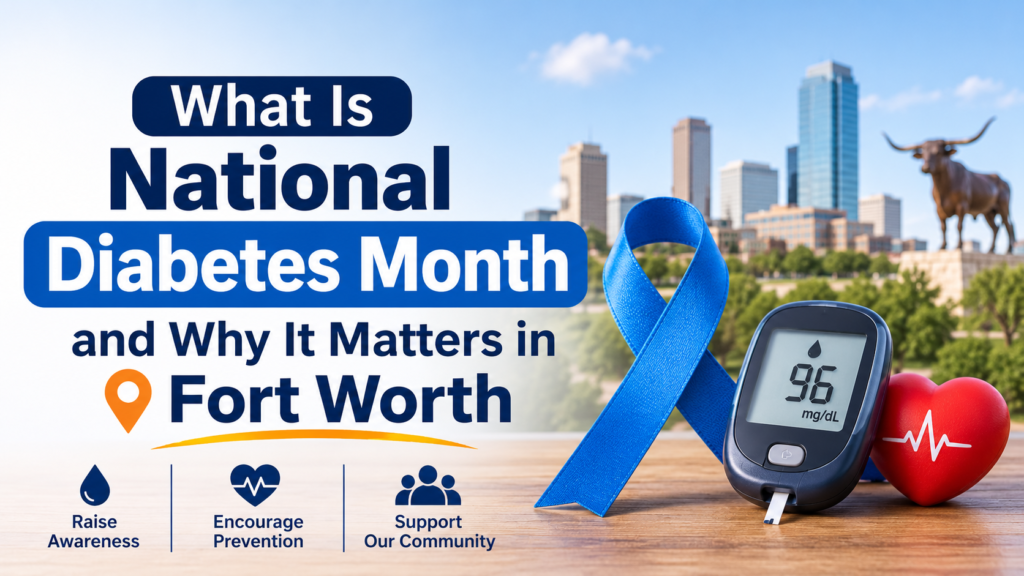
Can you remember the last time you or someone in your family had a blood sugar test? You can feel completely well for years while your blood sugar slowly climbs, without any symptoms that something has changed. The CDC National Diabetes Statistics Report estimates that about 40.1 million people across the United States live with diabetes.
National Diabetes Month gives families a reason to ask about testing before high blood sugar causes lasting damage. Each November, the campaign helps people understand their risk and understand whether they need diabetes screening.
What Is National Diabetes Month?
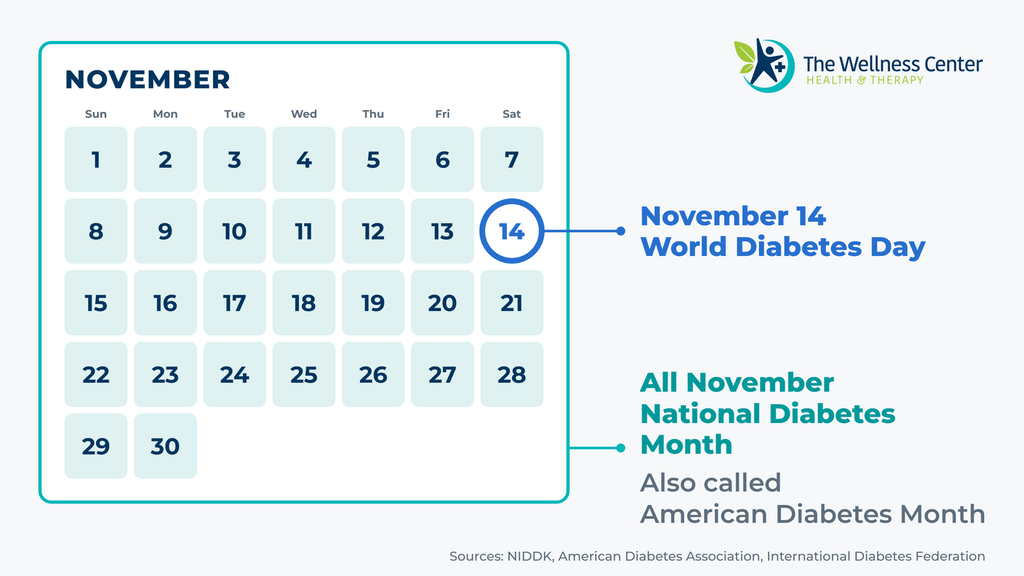
National Diabetes Month brings attention to diabetes every November, helping communities across the United States learn about the condition. This year, the National Institute of Diabetes and Digestive and Kidney Diseases (NIDDK) encourages early action to prevent diabetes health problems.
The American Diabetes Association calls its November campaign American Diabetes Month, so you may recognize that name as well. World Diabetes Day also falls during the month, on November 14 every year. This year, the International Diabetes Federation encourages people to seek testing and an early diagnosis through its worldwide campaign.
Why National Diabetes Month Matters in Fort Worth
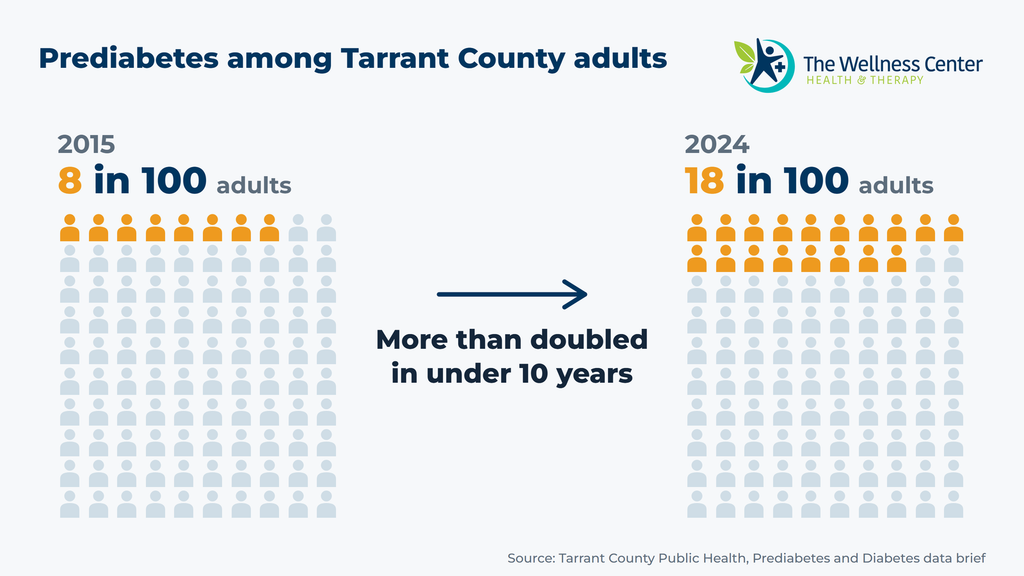
A November Tarrant County Public Health data brief found that 18% of county adults had prediabetes in 2024. In 2015, that number was only 8%, so it has more than doubled in less than ten years.
The same Tarrant County brief reports that 12% of local adults have diabetes, while gestational diabetes affects 1 out of every 14 pregnancies.
Prediabetes usually causes no symptoms, so a blood test is the only reliable way to detect the condition. At our wellness center in Fort Worth, we encourage families to schedule blood sugar testing during diabetes awareness month.
Types of Diabetes Every Family Should Understand
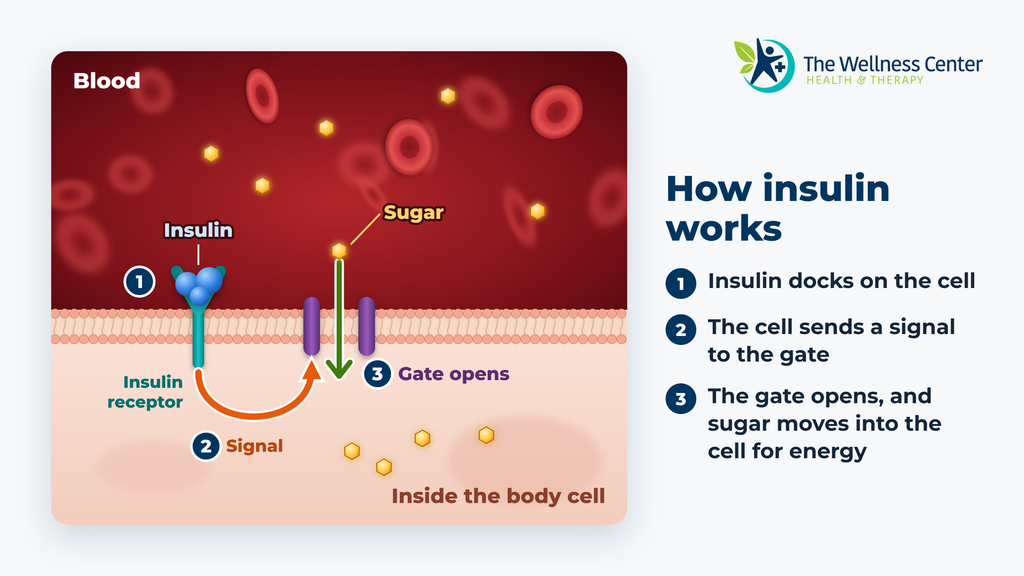
Diabetes means your blood sugar, also called blood glucose, stays too high over time. Your body uses a hormone called insulin to move that sugar into your cells, where it provides energy. When you cannot make enough insulin or use the hormone properly, glucose builds up in your bloodstream instead.
Type 1 Diabetes
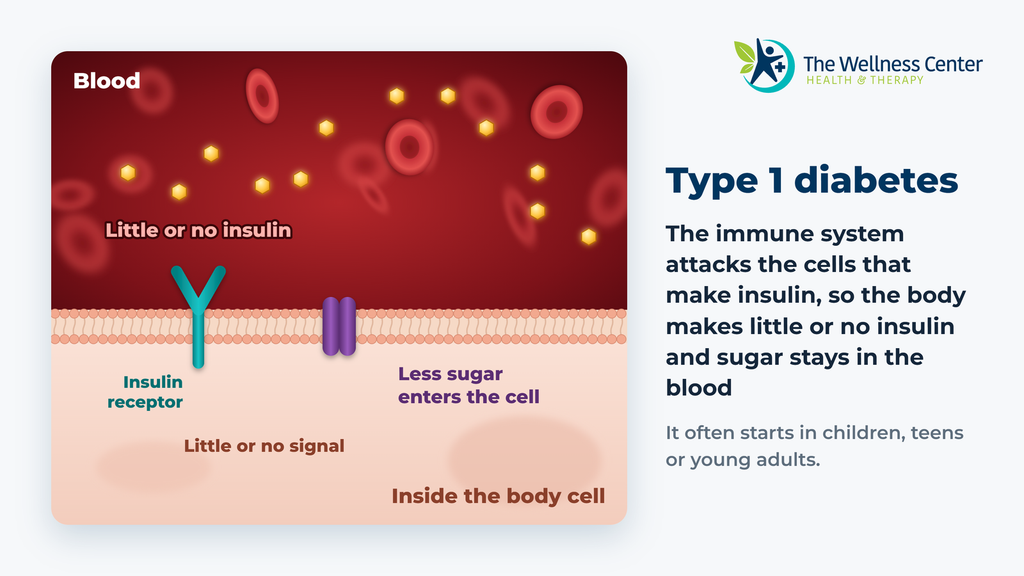
Type 1 diabetes is an autoimmune condition, meaning the immune system mistakenly attacks the cells that make insulin. The body then cannot produce enough of this hormone, and the condition usually begins in children, teens or young adults.
Type 2 Diabetes
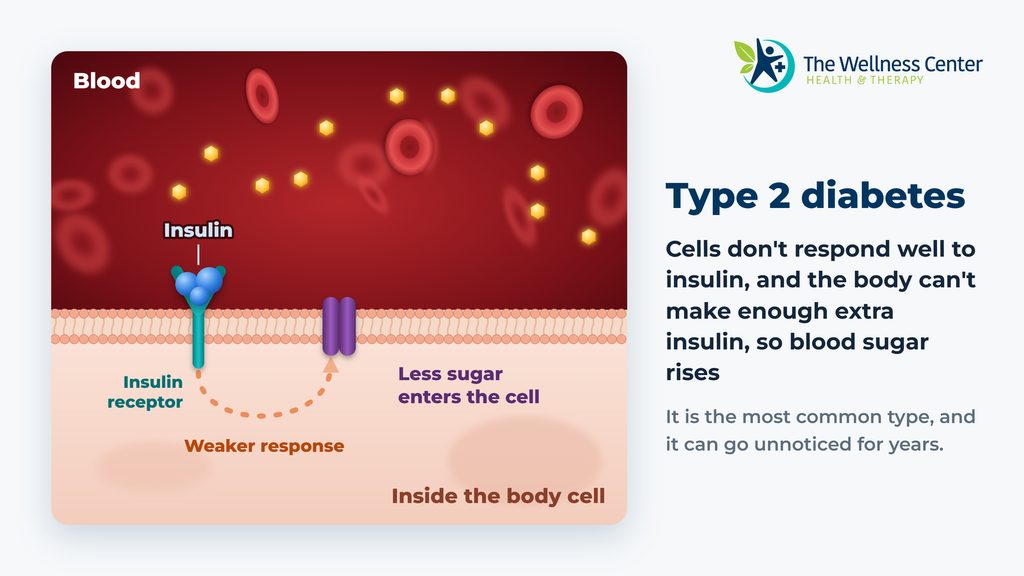
Type 2 diabetes is the most common type and develops mainly because of insulin resistance. That means the body no longer uses insulin properly, allowing blood sugar to rise gradually over many years. Symptoms often go unnoticed, so people may have this condition for a long time before they receive a diagnosis.
Gestational Diabetes
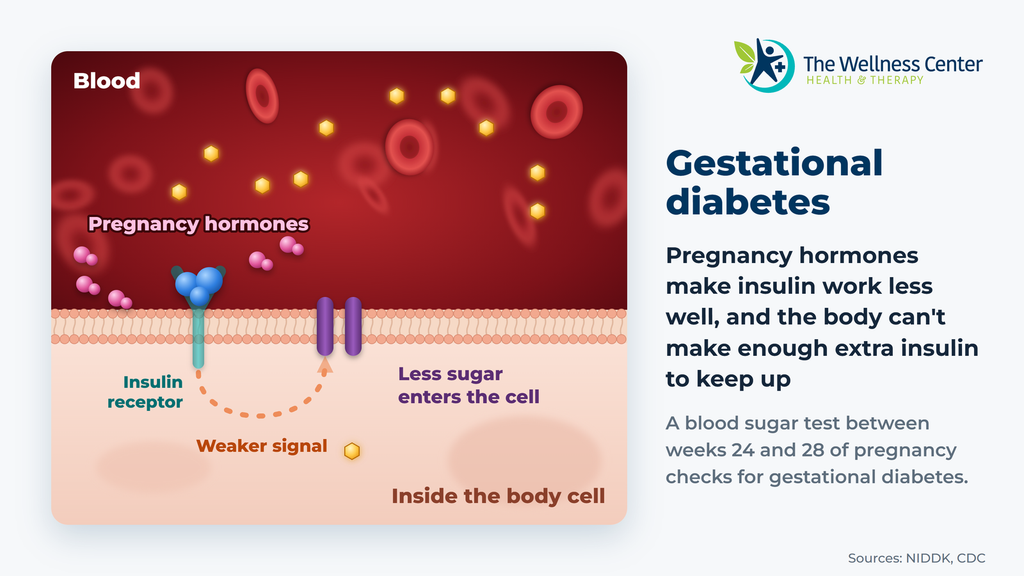
Gestational diabetes develops during pregnancy and needs careful monitoring to protect the health of both mother and baby. The CDC recommends testing pregnant women between 24 and 28 weeks of pregnancy to check for this condition.
Prediabetes
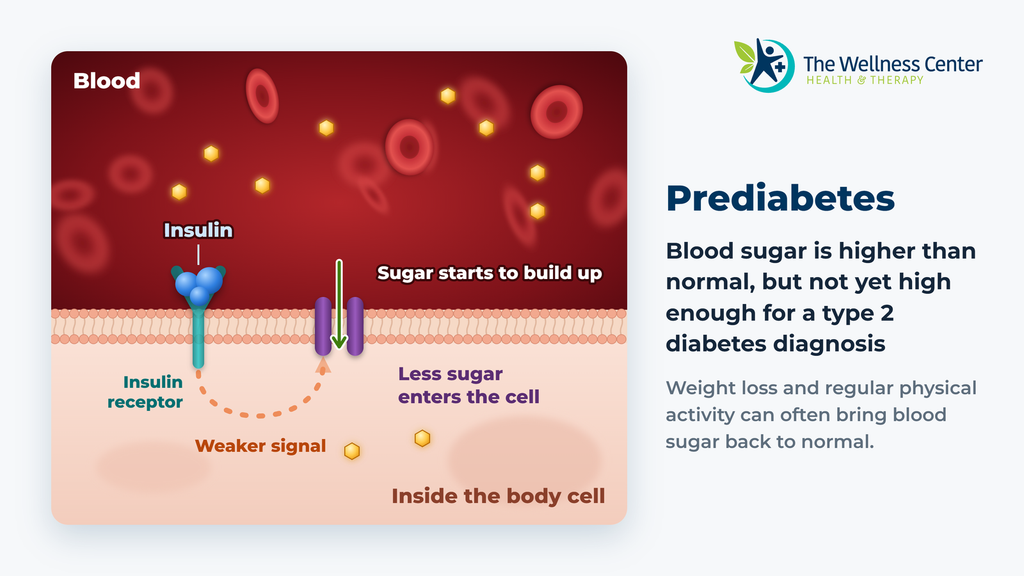
Prediabetes means blood sugar has risen above normal but has not reached the level needed for a diabetes diagnosis. At this stage, lifestyle changes can often prevent type 2 diabetes, giving you a chance to act early.
Type 2 Diabetes Risk Factors to Watch
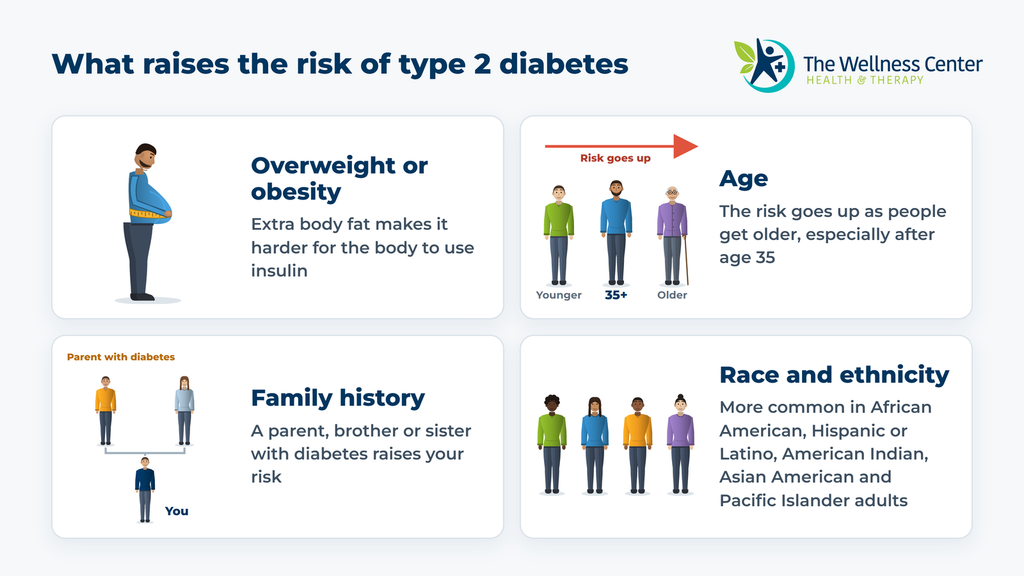
The NIDDK identifies several common type 2 diabetes risk factors that can help you recognize when earlier testing may matter.
- Overweight or Obesity: Overweight or obesity raises the chance of type 2 diabetes because extra body fat makes it harder for your body to use insulin. More sugar then stays in the blood instead of moving into cells.
- Age: The risk of developing type 2 diabetes increases as people grow older, especially after 35. Age-related changes in the body can make it harder to maintain healthy blood sugar levels.
- Family History: Having a parent, brother or sister with diabetes increases the chance that you could get the condition too. Families share genes, and they often have the same eating habits and daily routines.
- Race and Ethnicity: Type 2 diabetes affects African American, Hispanic or Latino, American Indian, Asian American and Pacific Islander adults more often.
Diabetes Screening in Fort Worth: Who Should Get Tested
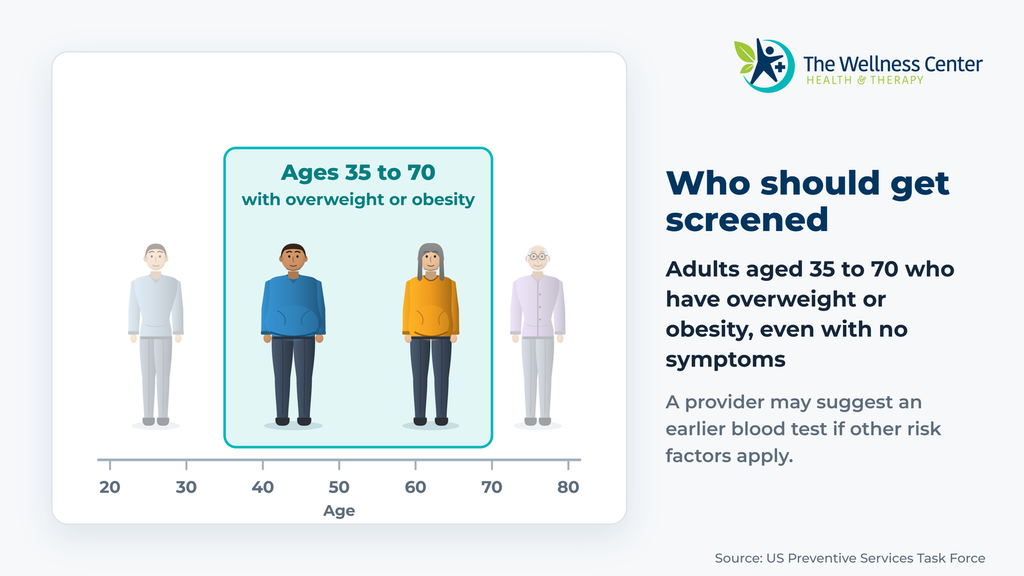
Diabetes screening uses a simple blood test to check whether your blood sugar falls within a healthy range. The US Preventive Services Task Force recommends testing adults aged 35 to 70 who have overweight or obesity. Your provider may suggest an earlier blood test if any of the other risk factors above apply to you.
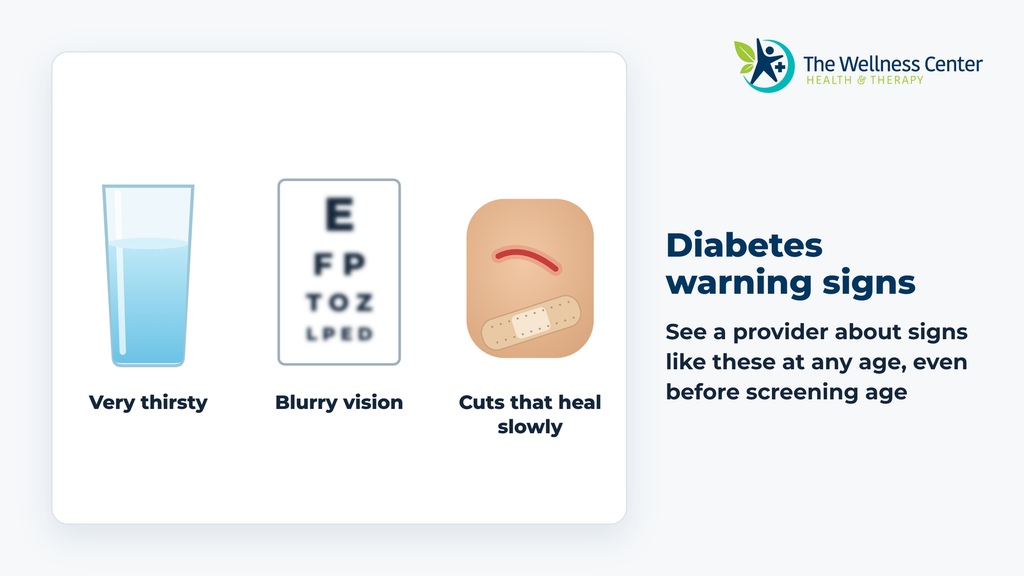
You should also see a provider if you notice possible warning signs, even if you have not reached the usual age for screening. The CDC lists signs such as increased thirst, blurry vision and cuts that take a long time to heal.
The A1C test measures your average blood sugar over the past 2 or 3 months, rather than at one moment. Our lab services in Fort Worth include A1C and other blood tests at The Wellness Center, so you do not need a separate lab visit.
Simple Steps That Lower Your Type 2 Diabetes Risk
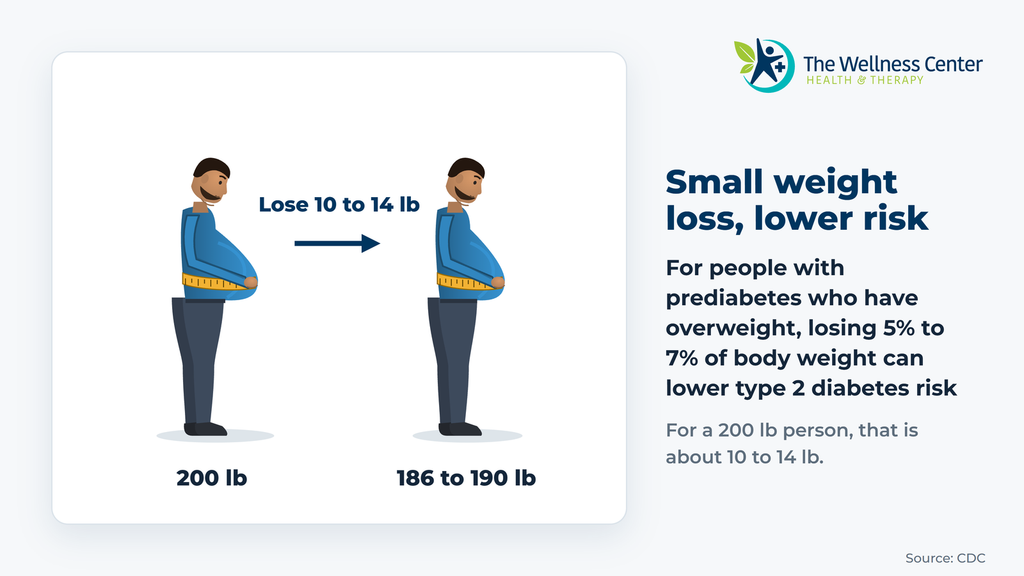
A prediabetes result can feel unsettling, but lifestyle changes can often bring your blood sugar back into the normal range. The CDC says losing 5% to 7% of body weight can lower diabetes risk in people with prediabetes who have overweight.
Get Regular Physical Activity
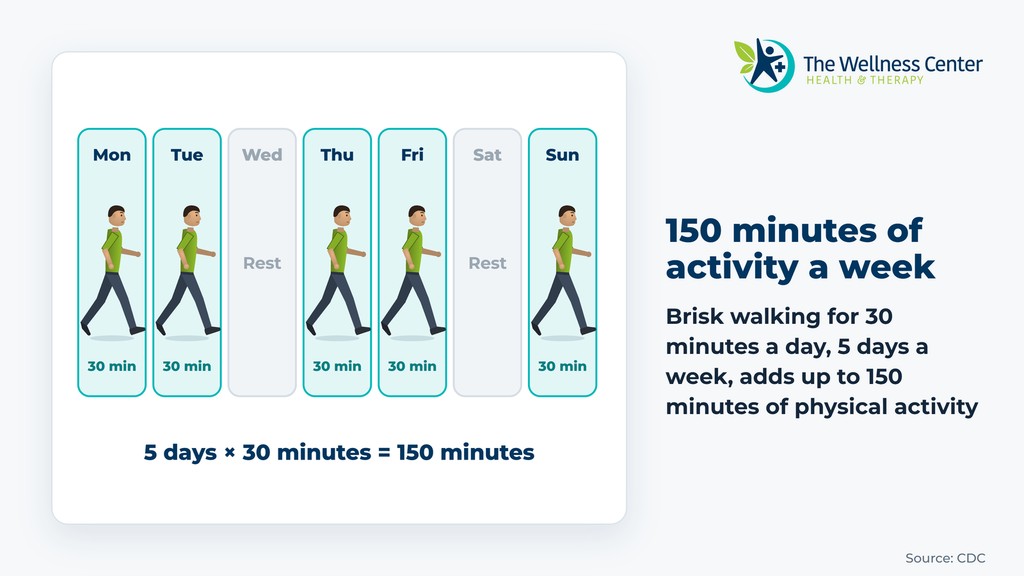
Aim for at least 150 minutes of brisk walking or similar physical activity each week, as the CDC recommends. You can reach that total with about 30 minutes a day, 5 days a week.
Join a Lifestyle Change Program
Consider the National Diabetes Prevention Program, which the CDC reports can lower type 2 diabetes risk by 58%. For participants over age 60, the reduction reaches 71%.
You do not have to manage weight loss alone; our medical weight management program offers support from a provider. At The Wellness Center, we start with lab testing and check your progress throughout each stage of your plan.
Protecting Your Nerves, Feet and Everyday Health
Blood sugar that stays high for years can damage the eyes, kidneys, nerves and heart, according to the NIDDK.
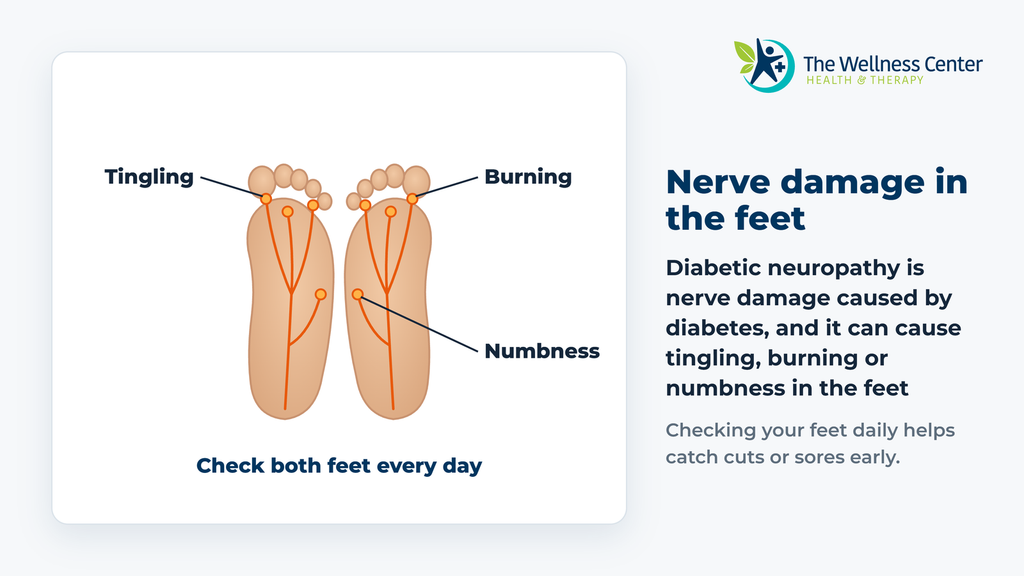
Diabetic neuropathy means nerve damage caused by diabetes, and the symptoms often begin with changes in how your feet feel. Tingling, burning or numbness can make walking uncomfortable or interrupt your sleep. The CDC recommends checking your feet every day to catch cuts or sores early.
We begin neuropathy support by carefully assessing what may be contributing to numbness or tingling in your feet. Our current offers include an advanced diabetic wound care package for foot ulcers that are slow to heal, and Medicare may cover it for eligible patients.
Make This National Diabetes Month Your Starting Point
With 18% of Tarrant County adults living with prediabetes, many local families may not realize they need diabetes screening. A blood test this November can identify rising blood sugar early, when you have the best chance to prevent type 2 diabetes.
At The Wellness Center, we bring primary care, lab testing, weight management and neuropathy care together at one Fort Worth clinic through Whole-istic Care™. Schedule a visit with our primary care team in Fort Worth or call 817-926-9642 for a blood sugar test. If you have been putting off diabetes screening, let National Diabetes Month be your reason to learn your blood sugar levels.
Frequently Asked Questions About National Diabetes Month
1. When Is National Diabetes Month Observed?
Communities across the United States observe National Diabetes Month every November, with World Diabetes Day taking place on November 14.
2. Is American Diabetes Month the Same as National Diabetes Month?
Yes, both names describe the November awareness month that helps people learn about diabetes. The American Diabetes Association calls it American Diabetes Month, while government health agencies, including the NIDDK, use National Diabetes Month.
3. Can Prediabetes Be Reversed?
Losing extra weight and getting regular physical activity can help many people reverse prediabetes or delay type 2 diabetes. Balanced meals with more vegetables and fewer sugary drinks also help keep your blood sugar within a healthy range.
4. How Often Should Adults in Fort Worth Get a Diabetes Test?
The US Preventive Services Task Force says screening every 3 years may be reasonable for adults whose blood sugar is normal. Your provider will usually recommend more frequent blood tests if your results show prediabetes.
5. Where Can I Get Diabetes Screening in Fort Worth?
You can contact The Wellness Center on Bellaire Drive South in Fort Worth to arrange a primary care visit. Our team orders the appropriate blood tests, runs them in our clinic lab and explains what your results mean.